
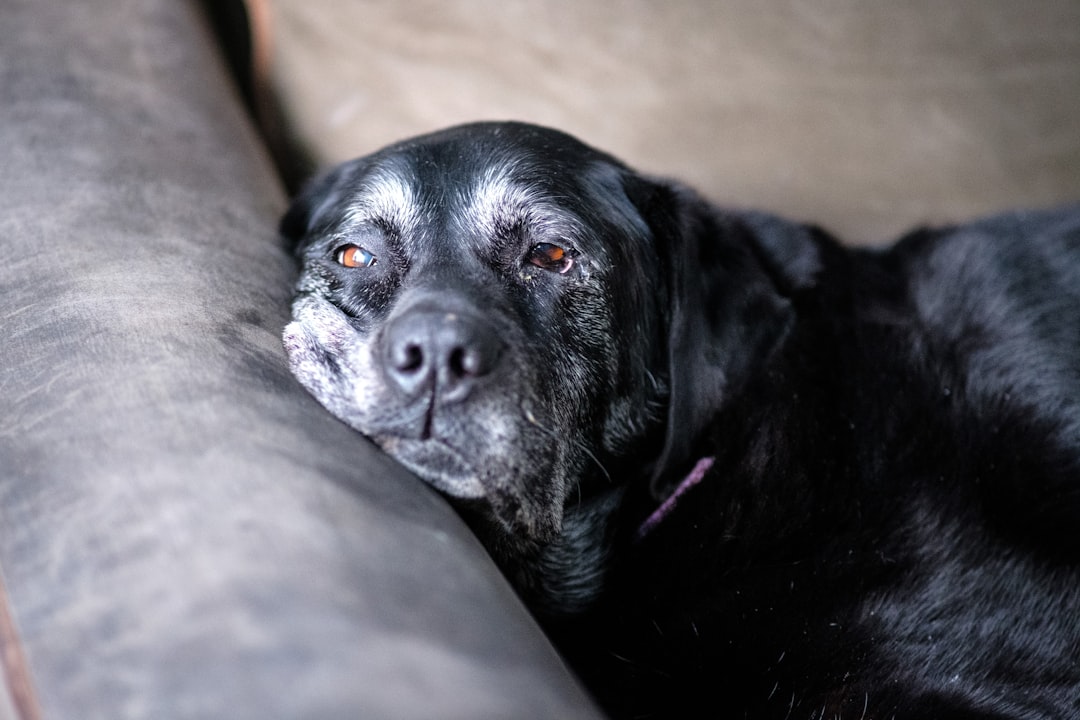
Making your home easier for an older pet to navigate
As pets age they can develop stiffness, vision or hearing loss, and incontinence that make moving around the home harder and more stressful. Small, practical changes to your home preserve independence and reduce pain, anxiety and accidents for senior dogs and cats.
This guide from Camino Veterinary Hospital lays out clear, trustworthy steps you can implement quickly—no expensive remodel required. Focus on safer routes, supportive bedding, easy access to food and water, and one-or-two tools that give you confidence when helping your pet.
1. Start with a safety and mobility assessment
Walk your home from your pet’s point of view. Note stairs, slippery floors, tight corners, high beds, and where accidents happen most often. Use a harness or support sling when helping a dog climb stairs or step into cars; a sturdy support harness can make lifts and transfers safer for both of you. Consider a reliable harness such as the Dog Seat Belt 3-in-1 Car Harness for secure support in/out of vehicles and extra handle control during transfers.
2. Choose beds that reduce pressure and make rising easier
Older joints need more support. Low-sided, firm but cushioned beds help pets roll and rise without struggling. For dogs with arthritis or hip dysplasia, an extra-thick orthopedic bed with a nonslip base reduces pressure and keeps them from sliding when getting up—look for supportive foam and washable covers like the XL Orthopedic Dog Beds.
3. Improve flooring, pathways and lighting
Replace slick surfaces with non-slip rugs or runners in high-traffic areas and along routes to food, water, and litter boxes. Add rubber-backed mats or stair treads on wooden or tile steps. Keep hallways and rooms clear of clutter so older pets don’t need to navigate around obstacles. Install low-level night lighting to help pets with poor vision find their way at dawn or dusk—motion-sensor lights near stairways and bedrooms work well.
4. Make food and water easier to reach and use
Rising and bending can be painful for senior pets. Elevated bowls reduce neck and back strain for many animals; raised feeders are particularly helpful for cats and smaller dogs. Consider an elevated option like the Upgraded Elevated Cat Bowls to reduce awkward reaching.
Hydration is essential for older pets. Cats in particular often drink less with stagnant bowls—automatic or recirculating fountains encourage sipping and help kidneys stay healthy. A stainless steel fountain such as the Cat Water Fountain Stainless Steel provides fresh flowing water and is easy to clean.
5. Manage bathrooms and incontinence thoughtfully
Incontinence is common in older pets. Protect furniture and sleeping areas with absorbent underpads or disposable bed pads to keep your pet dry and reduce cleaning time. A product like SOFYFINE Bed Pads can be placed in beds or favorite resting spots to prevent damage and odor.
For dogs, maintain frequent, short outdoor outings and consider indoor potty options if going outside is difficult. For cats, keep litter boxes low-entry and placed on the same level as the pet’s main living area to avoid steps.
6. Control access and reduce risky spaces
Limit your pet’s access to stairs, open rooms and slippery floors using gates. A secure, wide gate gives you control without isolating your pet and prevents falls. A sturdy model like the FXW Dog Gate works well to block staircases or unsafe rooms while leaving sightlines open.
7. Provide calming, comfortable micro-environments
Older pets can be more anxious when they’re uncomfortable or disoriented. Soft, nest-style calming beds and bolstered sleepers give a sense of security and support. Smaller pets or seniors who like to curl up may prefer a plush, self-warming bed—consider a calming option like the Calming Soft Round Dog & Cat Bed to reduce stress and encourage restful sleep.
8. Travel, vet visits and having a plan for emergencies
Trips to the vet can be stressful and risky for older pets. Use carriers, seat-belts, or harnesses designed for safe positioning and easy lifting. Keep a first-aid kit and emergency items on hand for sudden issues—an activated-charcoal kit and rescue supplies such as the PawMergency – Activated Charcoal First Aid Kit is a useful addition to your home or car kit.
Label your pet’s carrier clearly and keep a compact, well-padded carrier or harness in the car so you can transport your animal safely if mobility declines suddenly. Regularly update your pet’s emergency plan and inform family members or housemates how to assist the pet during a transfer.
Quick checklist
- Do a walk-through: clear pathways, add rugs, check lighting.
- Swap to a supportive, low-height bed (XL Orthopedic Dog Beds recommended).
- Use elevated food/water and a fountain (Upgraded Elevated Cat Bowls, Cat Water Fountain Stainless Steel).
- Protect favorite spots with absorbent pads (SOFYFINE Bed Pads).
- Block stairs and unsafe rooms with a gate (FXW Dog Gate).
- Keep a travel/support harness and first-aid kit ready (Dog Seat Belt 3-in-1 Car Harness, PawMergency – Activated Charcoal First Aid Kit).
FAQ
Q: How do I know if my pet needs an orthopedic bed?
A: If your pet hesitates to lie down, has trouble getting up, shows stiffness after rest, or sleeps in unusual positions, a firmer, supportive bed can help. Try one in a place they already like to rest.
Q: Are elevated bowls safe for all pets?
A: Elevated bowls reduce bending strain for many seniors, but pets with certain swallowing problems may do better with low bowls. Monitor eating posture and consult your veterinarian if you see coughing or frequent regurgitation.
Q: How can I help a dog who won’t climb stairs?
A: Reduce the number of required stair trips, install a gate at the top/bottom, add non-slip treads, and consider a ramp or assist with a harness for support. Short-term physical therapy or controlled exercises can improve strength—ask your vet.
Q: What if my older cat stops using the litter box?
A: Medical causes should be ruled out by your vet first. Make the box easier to access: low sides, placed on the same floor, multiple boxes, and frequent cleaning. Manage accidents with absorbent pads while you adjust the setup.
Q: How often should I update my home setup?
A: Reassess every few months or after any health change. Small declines can be addressed with bedding, ramps, or more frequent walks; larger changes may require additional aids or environmental adjustments.
Conclusion
Small changes add up: clear paths, supportive bedding, easy-to-reach food and water, and a few assistive tools make daily life safer and more comfortable for senior pets. Start with the most immediate problems you observed in your assessment and add solutions over time. If mobility or pain seem to worsen, contact your veterinarian for individualized care—these adjustments work best alongside veterinary guidance.
Products Featured in This Article

XL Orthopedic Dog Beds Large Sized …
Product description Product Dimensions : 42 x 30 x 9.5 inches; 14.22 pounds Item…

Calming Soft Round Dog &Cat Be…
Product description The video showcases the product in use.The video guides you through product setup.The video…

Dog Seat Belt 3-in-1 Car Harness fo…
Product description The IOKHEIRA Pet Seatbelt is designed to protect your pet, keeping him/her on the…

PawMergency – Activated Charcoal …
Product description The video showcases the product in use.The video guides you through product setup.The video…

Upgraded Elevated Cat Bowls with Fo…
Product description Thickened Silicone Food Mat Size:18.9*11.8 Inches Thickened silicone food mat can effectively prevent food…

Cat Water Fountain Stainless Steel:…
Product description Guarding the health of pets Every sip of water is clean The video showcases…

SOFYFINE Bed Pads with Adhesive Str…
From the brand SOFYFINE Premium Bed Pads “SOFYFINE”- Soft in all, all will be fine For…

FXW Dog Gate, Extra Wide Adjustable…
Product description Feel the bond, play well together FXW Dog Gate Specifications Each Single Panel Size…