
How to Keep Your Pet Comfortable During Recovery
When your dog or cat is recovering from surgery, injury, or illness, comfort matters as much as medicine. A calm, controlled environment and a few well-chosen aids can reduce stress, speed healing behaviors, and make daily care easier for you and your pet.
This guide from Camino Veterinary Hospital focuses on practical steps you can take at home: setting up space, handling mobility safely, managing pain and anxiety, and keeping nutrition and hygiene on track. Use the actionable tips below and consider the listed recovery tools to support a smoother recovery.
Create a calm recovery space
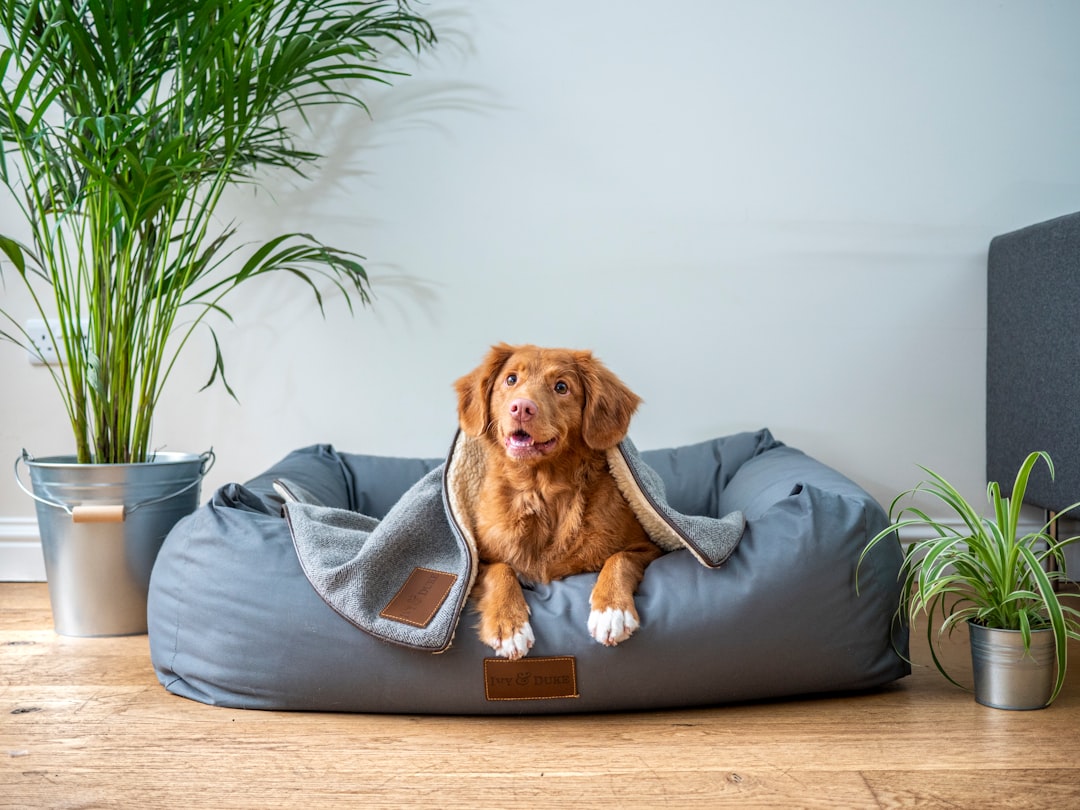
Start by selecting a low-traffic room with consistent temperature and dim lighting. Keep the area quiet, away from stairs or other pets, and set up a short-term “recovery zone” where your pet can rest without interruption. A soft, enclosed bed helps animals feel secure and reduces restless movement; a dedicated calming bed can make the difference for anxious pets recovering from procedures. Dog Calming Beds provide gentle containment and warmth that many pets prefer while healing.
Keep bedding clean and dry
Moisture and soiled bedding increase infection risk and discomfort. Use absorbent, washable pads on top of bedding to protect both the bed and floors. Change pads frequently after any accidents and launder according to product instructions to eliminate odors and bacteria. Practical, reusable options designed for post-op care will save time and keep your pet more comfortable. Consider adding washable underpads beneath your pet’s bed for easy cleanup. Washable Pet Bed Pads are designed specifically for this purpose.
Support mobility safely
Pets often need help standing, getting into a car, or climbing onto furniture while they rebuild strength. Use mobility slings or support harnesses to lift and steady them without straining your back or the pet’s healing tissues. Short lifts for vet visits and supervised walks help maintain muscle tone while minimizing the risk of falls. Lightweight, padded slings provide good handholds and distribute weight across your forearms and hips. Look for products made for pets in recovery to ensure a comfortable fit. Pet Mobility Support Slings are useful tools for assisted mobilization.
Use lift harnesses for larger pets
Large dogs and heavy-boned breeds may need a more structured lift solution to protect handlers and the dog’s back legs. A two-person lift harness or a full-leg support sling offers additional control when guiding a larger animal and can help during transitions like going up stairs or into vehicles. If your pet is on restricted activity or recovering from hind-limb surgery, choose a harness rated for their size and weight to avoid slips and pressure points. For heavy or senior dogs, consider a purpose-built lift harness that provides rear-leg support and chest stabilization. The product designed for large male dogs and post-surgery recovery offers reinforced handles and a secure fit to assist these needs. Dog Lift Harness for Large Male Dogs
Provide orthopedic support for restful sleep
Healing tissues need uninterrupted rest on a supportive surface that distributes pressure and cushions sore joints. Memory foam and orthopedic beds reduce point pressure for pets recovering from orthopedic surgery, joint disease, or chronic discomfort. An elevated or bolstered bed gives head and neck support and can make it easier for pets to roll over without twisting. Choose a bed with a removable, machine-washable cover to handle accidents easily and non-slip backing to prevent sliding when your pet stands. A large, extra-thick orthopedic bed offers both space and durable support for bigger dogs. XL Orthopedic Dog Beds are a good fit for longer-term comfort.
Manage stress and anxiety
Stress inhibits rest and can slow recovery. Gentle pressure wraps, calming vests, and short-term, vet-approved supplements can reduce anxiety during recovery, especially around vet visits or when bandages are bothersome. Calm, consistent routines and positive reinforcement for calm behavior help pets associate recovery with safety. A snug, therapeutic vest applies light, comforting pressure that many dogs find soothing during stressful periods. If your pet becomes restless or agitated at night or during dressing changes, offer a calming wrap to reduce pacing and help them relax. ThunderShirt for Dogs is one option commonly used to reduce stress safely.
Maintain hydration and proper feeding
Dehydration and inadequate nutrition slow healing. Keep fresh water available and accessible at floor level so your pet doesn’t have to climb or strain to drink. If your pet drinks poorly, a circulating fountain can stimulate interest and encourage more frequent sips. For pets with limited mobility, place water and food close to the resting area and consider shallow bowls to reduce neck strain. In some cases, warming food slightly or offering palatable, vet-approved recovery diets can encourage appetite. A pet water system designed to attract drinking can be a simple, effective aid. Pet Water Fountains help maintain steady hydration.
Control eating pace and prevent choking
After surgery, some pets eat too quickly and risk vomiting or tension at the incision site during vigorous head shaking. Slow-feeder bowls reduce gulping and promote more controlled eating, which is safer for digestion and reduces movement at the neck and chest. For pets with dental sensitivity or limited mobility, choose shallow, easy-to-reach slow feeders to encourage calm mealtimes. These feeding tools are inexpensive but can prevent secondary problems while your pet focuses on recovery. Dog Slow Feeder Bowls are useful for controlled feeding.
Quick recovery checklist
- Designate a quiet recovery zone with a calming bed.
- Protect bedding with washable pads and change them often.
- Keep water and food at ground level; use a fountain if needed.
- Use a mobility sling or harness for safe transfers and walks.
- Provide an orthopedic bed for pressure relief and rest.
- Use a calming wrap or vest during stressful moments.
- Follow vet instructions for meds, wound care, and activity limits.
- Watch for signs of complications and contact your vet if concerned.
Frequently Asked Questions
How long should my pet be confined after surgery?
Follow your veterinarian’s timeframes—typically strict rest for 7–14 days for many soft-tissue surgeries, longer for orthopedic procedures. Ask for written activity restrictions and a gradual plan for returning to normal activity.
When can my pet start gentle walks?
Only when your vet approves. Short, slow leash walks to allow toileting—using a support sling if needed—are often allowed before full activity resumes, but timing depends on the procedure and healing progress.
What signs indicate a complication?
Excessive swelling, new discharge, sudden lethargy, loss of appetite, persistent vomiting, or behavioral changes merit urgent veterinary contact. Any fever, reopened incision, or sudden lameness should be evaluated promptly.
Can I give over-the-counter medications for pain?
Never give human medications without veterinary approval. Many OTC drugs are toxic to pets. Use only prescription or veterinarian-recommended analgesics and follow dosing instructions carefully.
How can I prevent my pet from licking sutures?
Use an e-collar or alternative protective coverings recommended by your vet. A secure, well-fitting collar or temporary wrap prevents licking and reduces infection risk while sutures heal.
Conclusion
Comfort during recovery combines sensible environment setup, safe handling, appropriate bedding and support, stress reduction, and careful attention to hydration and feeding. Use practical tools—like calming beds, washable pads, mobility slings, and orthopedic beds—to reduce complications and improve healing behavior. Coordinate all changes with your veterinarian and prioritize gentle, consistent care: small adjustments at home yield big improvements for a smoother recovery.
Products Featured in This Article
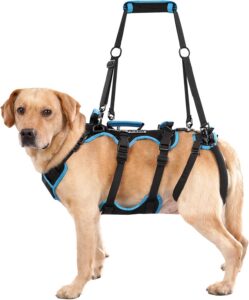
Dog Lift Harness for Large Male Dog…
Product description Very Important – Before Placing Your Order 1. For this size-sensitive dog lift harness,…

XL Orthopedic Dog Beds Large Sized …
Product description Product Dimensions : 42 x 30 x 9.5 inches; 14.22 pounds Item…

ThunderShirt for Dogs Calming Anxie…
The original ThunderShirt has the best patented pressure wrap design available to reduce anxiety for dogs….