
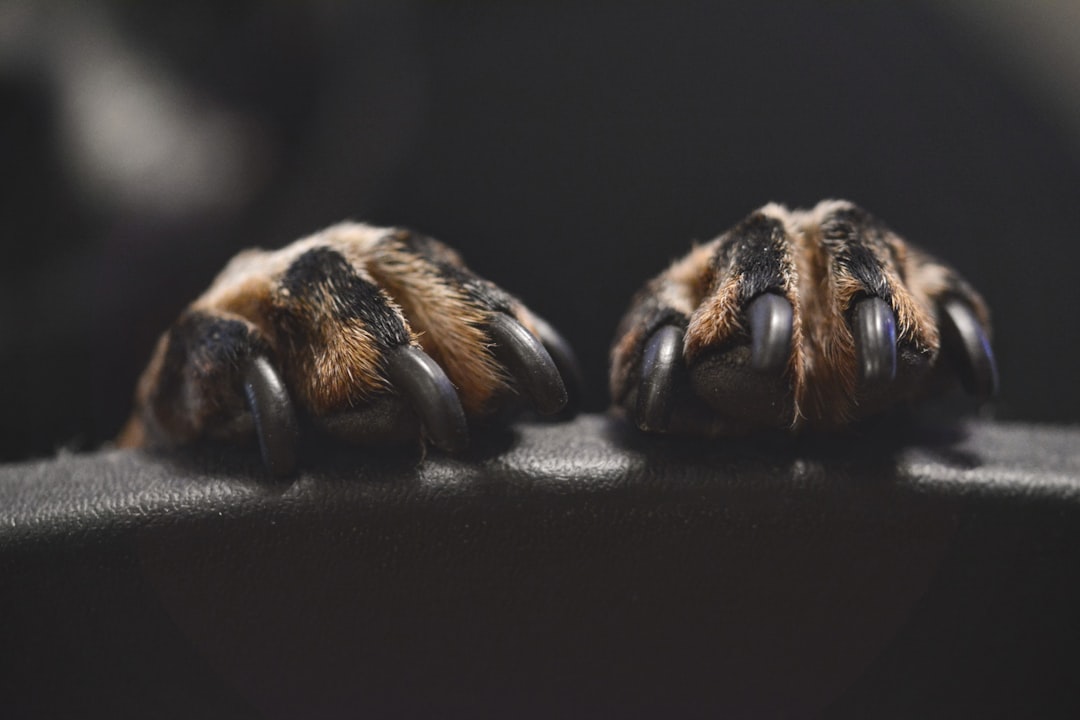
How to Trim Your Pet’s Nails Safely at Home
Regular nail trims keep pets comfortable, reduce the risk of broken nails and snagged claws, and protect your floors and skin. Many owners can learn to trim at home with the right tools, technique and a calm routine.
If you prefer professional guidance, start by browsing products and resources from Camino Vet Hospital to find tools and tips that match your pet’s needs.
Why regular nail care matters
Overgrown nails change a pet’s gait, can cause pain, and increase the chance of splits or tears. Indoor pets often need trims more frequently because they don’t wear their nails down naturally. Short, well-maintained nails are healthier and make routine handling—veterinary exams, grooming and play—safer for you and your pet.
Tools you’ll need
Gather everything before you start: a quality clipper or grinder sized for your pet, styptic powder or cornstarch to stop bleeding, treats for rewards, a towel for restraint if needed, a well-lit area, and a helper for nervous animals. If you want a kit with emergency items, consider keeping a Pet First Aid Kits on hand for home emergencies.
How to prepare your dog
Choose a quiet time when your dog is relaxed—after a walk or play session is ideal. Introduce the clippers slowly: let your dog sniff them, give a treat, and touch the paws gently over several short sessions. For dogs that become anxious, calming supplements or short-term aids can help make the process smoother; many owners find Dog Calming Chews useful as part of a low-stress routine.
How to prepare your cat
Cats often tolerate handling best when approached calmly and on their terms. Work in short 1–2 minute sessions, reward with a favorite treat and stop if the cat becomes overly stressed. For highly nervous cats, consider slow desensitization and products designed to reduce stress; you may find Cat Calming Chews helpful during training sessions.
Training and handling basics
Teach tolerance before you clip. Practice touching paws, holding them briefly and rewarding calm responses. Use short, consistent sessions and build up gradually. Clicker training is an excellent method to mark desired behavior—quick, repeatable cues work well when introducing nail trims. Consider tools like a Dog Training Clickers to shape calm behavior during handling.
For larger dogs or those who pull, a long training line gives you gentle control during practice sessions without full restriction. A Dog Long Training Leashes lets you manage movement while keeping the interaction positive and low-stress.
Step-by-step trimming for dogs (practical technique)
1) Position: Have your dog sit or lie comfortably. If a helper is present, they can gently hold the head and body. 2) Find the quick: For light nails, look for the pink area (quick) in daylight; for dark nails, trim tiny amounts at a time. 3) Clip angle: Cut from top to bottom, removing small bits—do not saw back and forth. 4) Smooth edges with a file or grinder if the clipper leaves rough edges. 5) Reward: Give a treat and praise after every successful nail or two to reinforce calm behavior.
Step-by-step trimming for cats (practical technique)
Cats’ nails are small and the quick can be close to the tip. Hold the paw gently, extend the claw, and trim the sharp tip only. Small, controlled snips are safer than larger cuts. If your cat struggles, pause and try later—frequent short sessions build tolerance more effectively than one long forced session.
Using enrichment and distraction
Distraction can make trims easier. Offering a puzzle or a snuffle mat loaded with treats gives your pet an engaging job and reduces focus on handling. Products like Dog Puzzle Toys work well for dogs, delivering treats slowly while you work on one paw at a time.
Snuffle mats are another low-pressure distraction that encourages natural foraging and keeps a dog’s attention. A Snuffle Mat for Dogs can be filled with small treats to occupy your dog during short trimming intervals.
Dealing with bleeding and common problems
Cutting the quick happens even to experienced groomers. Stop bleeding quickly with styptic powder, cornstarch or a clean towel applying gentle pressure. If bleeding continues or seems severe, seek veterinary care. Keep a basic kit ready—bandaging supplies and antiseptic—and consider a preassembled Pet First Aid Kits so you aren’t searching for supplies in an emergency.
Small checklist before you start
- Good lighting and calm environment
- Sharp clippers or a grinder appropriate for your pet’s size
- Treats and short training sessions prepared
- Styptic powder or an emergency first aid kit nearby
- Someone to assist if your pet is wiggly or nervous
FAQ
How often should I trim my pet’s nails?
Most pets need a trim every 3–6 weeks, depending on activity and how quickly nails grow.
Can I use human clippers on my pet?
Human clippers are not ideal—use pet-specific clippers or a grinder sized for your pet to avoid crushing or splintering the nail.
What if my pet won’t let me touch their paws?
Build tolerance with very short, frequent handling sessions, reward calm behavior, and consider professional help if progress stalls.
Do dark nails make trimming dangerous?
Dark nails hide the quick; trim small amounts and watch for a gray or chalky center to avoid cutting the quick. If unsure, ask your veterinarian to demonstrate.
Are there products to help anxious pets during trims?
Yes—calming treats and supplements can help. For dogs and cats, many owners use targeted calming chews as part of a training and desensitization plan; discuss options with your vet if needed.
Conclusion
With the right preparation, tools and patience, most pet owners can safely trim nails at home. Start slow, reward progress, keep first-aid supplies nearby, and seek professional help if you’re uncomfortable or if problems arise. Small, regular steps will make nail care a low-stress routine for you and your pet.
Products Featured in This Article

LEGITPET Calming Cat Treats for Anx…
Product description Package Dimensions : 3.74 x 3.7 x 3.58 inches; 10.23 ounces Item…

Long Line Dog Training Leash with P…
Product description STRONG & STUDRY 2MM LONG LEAD FOR DOGS: CONFIDENT CONTROL ON EVERY WALK Grant…

Snuffle Mat for Dogs, 15.4in Felt W…
Product description Ankilo More Types and Sizes Pet Snuffle Mat Add to Cart Add to Cart…