
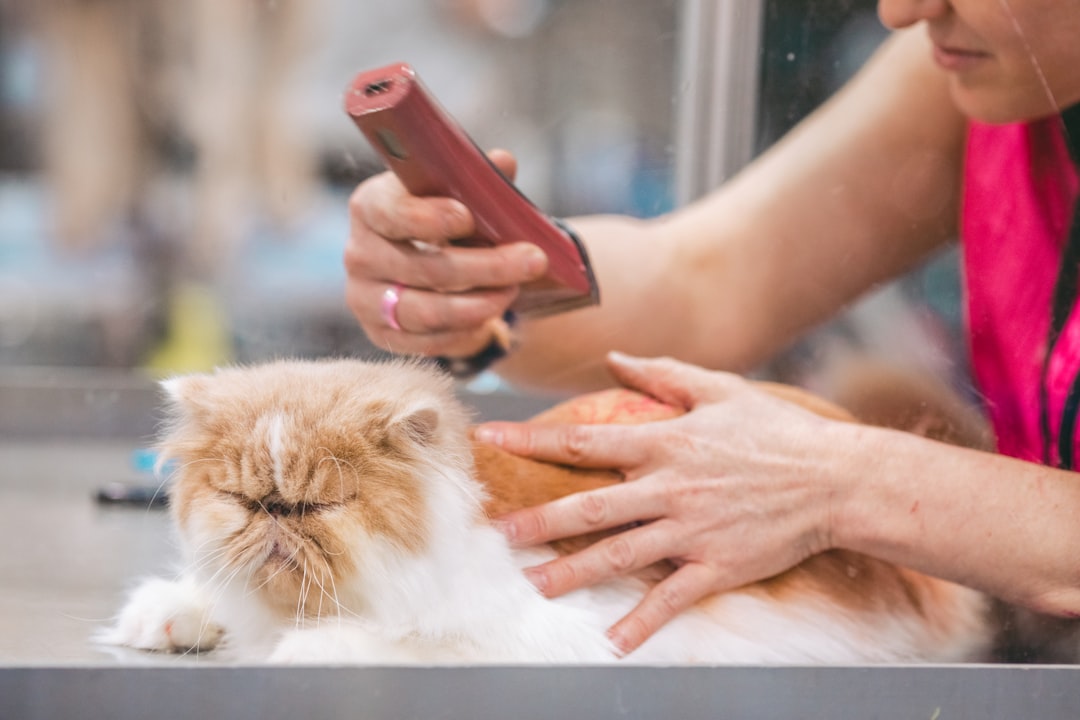
Essential Grooming Tips for Long-Haired Cats
Long-haired cats are beautiful, but their coats require consistent care to stay healthy, comfortable, and mat-free. Regular grooming reduces hairballs, skin irritation, and the time you spend detangling urgent mats.
Start with calm, short sessions and tools that fit your cat’s coat and temperament. For cats who get nervous during grooming, consider using gentle supplements designed to lower anxiety—products like Cat Calming Chews can make handling easier and help grooming go more smoothly.
Understand the Long-Haired Coat
Long-haired breeds have a dense undercoat and longer guard hairs that trap tangles and debris. Seasonal shedding, skin oil changes, and activity level affect coat condition. Inspect the coat weekly for early mats, flaky skin, parasites, or wounds so you can address small issues before they become painful problems.
Daily and Weekly Brushing Strategy
Set a schedule: daily short comb-throughs for very long coats (Persians, Maine Coons) or at least three times weekly for other long-haired cats. Use a slicker brush to remove loose undercoat and a wide-tooth comb to work through tangles from roots to tips. Work in sections and hold the base of the hair near the skin to avoid pulling painfully on the follicles.
Combine grooming with enrichment to make sessions positive. Puzzle toys like the Catstages Nina Ottosson puzzle can redirect energy and reduce over-grooming that contributes to mats.
Bathing: When and How
Bathing isn’t required often for most cats, but it helps if the coat is greasy, infested with fleas, or heavily soiled. Use a cat-formulated shampoo and lukewarm water. Keep sessions calm: clip nails beforehand, have a towel ready, and rinse thoroughly to remove all shampoo residues which can dry skin.
If bathing is stressful, try short desensitization sessions—touching wet areas, mimicking rinse motion with a damp cloth—before a full bath. Reward calm behavior with praise or a small treat after the session.
Dematting and Safe Trimming
Tackle small tangles early with a detangling spray and a dematting comb. For tight mats close to the skin, avoid yanking. Work gradually with blunt-nosed scissors placed parallel to the skin or use an electric clipper if you are experienced. If a mat is too close to the skin or the cat resists, schedule professional help to prevent skin injury.
Keep the belly and armpit areas trimmed if your cat develops frequent tangles there—short, regular trims are less traumatic than large removals done infrequently.
Nail and Paw Care
Trim nails every 2–4 weeks, checking for ingrown nails or debris between the pads. If your cat dislikes nail trims, do short, frequent sessions: press the paw, press one toe, and reward. Maintain paw-pad health by keeping litter and bedding clean—a cleaner environment lowers the risk of infections and matting from soiled fur.
Diet, Hydration, and Coat Health
Nutrition plays a major role in coat quality. High-quality protein, omega fatty acids, and adequate calories support skin and hair strength. Consider routine feeding solutions that maintain freshness and consistency—automatic feeders such as the PETLIBRO Automatic Cat Feeder can help regulate portions and reduce overeating that sometimes leads to poor coat condition.
Hydration reduces dry skin and excessive shedding. Offer running water or a fountain—many cats prefer moving water; a stainless-steel unit such as the Cat Water Fountain Stainless Steel encourages sipping. Also use sturdy feeding dishes—stainless steel bowls are hygienic and minimize bacterial buildup: Stainless Steel Cat Bowls are easy to clean and safe for regular use.
Reducing Grooming Stress
Stress can make grooming escalate from a chore into a fight. Create a predictable routine with short sessions, calm handling, and rewards. For particularly anxious cats, targeted calming supplements may help; consider products like LEGITPET Calming Cat Treats to support relaxation during grooming.
Transporting and Professional Grooming Visits
Some mats and trims are safest with a professional groomer or veterinarian. Use a comfortable, airline-approved carrier to reduce stress during transport. A soft-sided carrier like the Henkelion Cat Carrier keeps cats secure and calm in the car or vet waiting room.
Hygiene, Litter, and Home Care
Clean living spaces reduce dirt and oils that contribute to matting and skin problems. Regularly empty and maintain litter boxes and bedding. For odor control and convenient disposal, consider solutions such as the Litter Champ Cat Litter Disposal System, which helps keep the grooming area and sleeping zones fresh.
Checklist: Quick Grooming Routine
- Brush long-haired cats 3–7 times weekly; daily if they’re prone to mats.
- Check skin and coat once a week for mats, parasites, or wounds.
- Trim nails every 2–4 weeks; clip problem hairs when needed.
- Offer fresh water via fountain and feed balanced food; consider an automatic feeder for consistency.
- Desensitize to handling with short, rewarded sessions; use calming aids if recommended.
- Book professional grooming for tight mats or if your cat becomes aggressive during at-home grooming.
FAQ
- How often should I bathe my long-haired cat?
Only when necessary—greasy coat, flea treatment, or heavy soiling. Most long-haired cats do fine with infrequent baths combined with regular brushing.
- Can I use human detangling products on my cat?
No. Use cat-specific grooming sprays or consult your veterinarian for safe detanglers; human products can irritate feline skin.
- When is a mat bad enough to see a pro?
If a mat is tight against the skin, covers a large area, or the cat shows pain or behavior change, seek professional grooming or veterinary help.
- My cat hates brushing—what can I do?
Start with 30–60 second sessions, pair with treats, use soft tools, and consider calming supplements or toys to reduce anxiety during grooming.
- Do diet changes really affect the coat?
Yes. A balanced diet with adequate protein and omega fatty acids supports skin health and a glossy, resilient coat.
Consistent, gentle grooming and attention to diet, hydration, and stress make the biggest difference for long-haired cats. Start small, be patient, and use appropriate tools—if a problem exceeds your skills, consult a professional groomer or your veterinarian for safe solutions.
Products Featured in This Article

LEGITPET Calming Cat Treats for Anx…
Product description Package Dimensions : 3.74 x 3.7 x 3.58 inches; 10.23 ounces Item…

Henkelion Cat Carriers Dog Carrier …
Product description HENKELION AIRLINE APPROVED PET CARRIER SERIES AIRLINE APPROVED CARRIER With airline-approved design, you can…

Cat Water Fountain Stainless Steel:…
Product description Guarding the health of pets Every sip of water is clean The video showcases…

PETLIBRO Automatic Cat Feeder for 2…
From the brand New Release Best-Selling Products Feeder Accessories Product Dimensions : 10.16 x…

Catstages Nina Ottosson Buggin’ O…
The Catstages Nina Ottosson Buggin’ Out Puzzle & Play (Level 2) is the ultimate interactive cat…
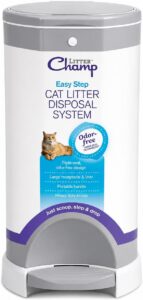
Litter Champ Cat Litter Disposal Sy…
Product description How do I empty it? Open the front door, pull the liner down, and…